
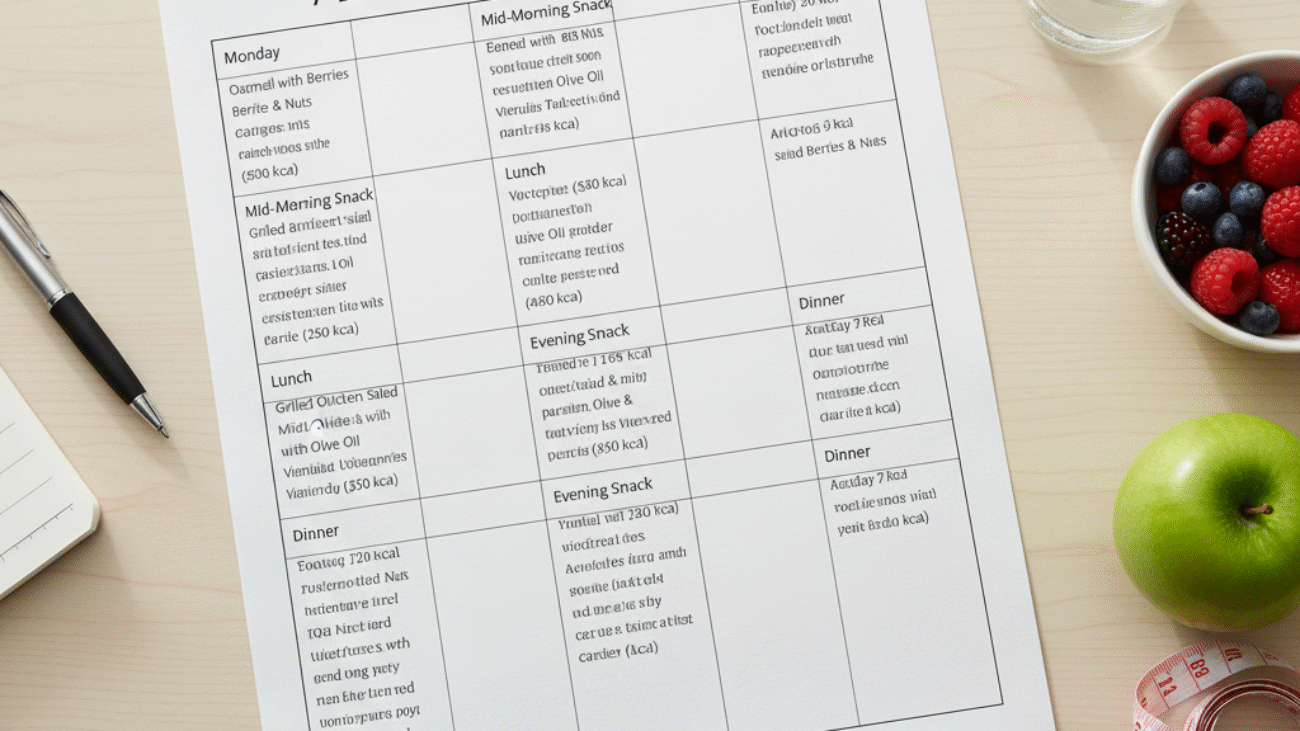
Diet Chart for Weight Loss

Diet Chart for Weight Loss: Simple Steps to a Healthier You

Introduction

Diet Chart for Weight Loss -Successfully losing weight and maintaining it requires more than just willpower—it requires a smart, informed, and balanced approach that involves nutrition, lifestyle, and knowing the way your body works. A well-planned chart for a diet for losing weight is a useful tool, as it provides a framework to direct your eating towards burning fat while being healthy and full of energy. There is both important information that you might not have realized will speed up your progress as well as pitfalls that you probably should avoid if you want to optimize your results. This blog looks into the key issues while using important nutrition principles when providing answers to your common questions about food and diet.

Key Principles of a diet chart for weight loss

The following principles outline a potentially successful diet plan for weight loss:

Inclusion of Balanced Nutrition: Using protein, healthy fat, and carbohydrates in appropriate portions for energy.

Calorie Deficit: Consuming fewer calories than expended per day without restrictions.

Eating Small Frequent Meals (5-6 meals): By eating 5-6 smaller meals throughout the day, you help prevent blood sugar swings that may promote binge eating in cases of low blood sugar or low energy.

Hydration: Adequate water can assist with metabolic function and reduce water retention.

Mindful Eating: Mindful of portion sizes and no consumption of processed foods, high sugar, or bad fat content.

Secret 1: Choosing the Correct Foods – Your Complete Healthy vs. Unhealthy Food Chart

It is important to understand what you should eat and what you shouldn’t. The issue for many is conflicting information, so if you look to a healthy and unhealthy food chart, this will make decisions much simpler. As I said above with the healthy/unhealthy food chart, there are many healthy foods that are rich in nutrients, vitamins, and healthy fats, compared to unhealthy choices, which have empty calories, unhealthy fats, and sugars.

When searching for healthy food near me, try to think of more fresh and less processed foods such as fruits, vegetables, whole grains, lean proteins, nuts, and seeds. These are the foundations of the perfect food regimen to enhance metabolism and fat loss. Some of the most popular healthy food items come from the non-vegetarian food chart, such as fish and lean meats. These foods are packed with protein that is needed to maintain muscle mass during weight loss.

Moreover, a calorie chart for Indian food can be incredibly helpful in controlling portion size as well as meal planning. Indian food contains plenty of healthy eating plan options for a diet chart for weight loss, including dal, paneer, and all sorts of vegetable curries.
 

Secret 2: Know your macros: protein, calories, and more.

One of the biggest mistakes when dieting is ignoring macros, especially protein. Protein not only keeps you fuller longer but also preserves muscle mass when losing fat and increases metabolic rate. When in a fat loss phase, a fat loss diet chart generally gives you protein goals (i.e., 400 grams of protein distributed throughout the day from various sources).

For instance, oats, one of the best sources of protein for breakfast, provide about 13 grams of protein per 100 g of oats! Bananas and other fruits, such as 2 bananas with around 2.6 grams of protein, are other examples of protein food sources. Including these sources of protein in meals gives a complete amino acid profile and aids in body repairs during fat loss, as well as assists with fat metabolism, which is why these sources of protein can be great to include in a diet chart for weight loss.

Calories are still extremely important; you know the calories in 1 liter of water is 0, but drinking enough water helps with weight loss by maintaining a faster metabolism, as we know when we drink or eat calories, it increases metabolism and helps reduce hunger. Unlike mobile devices, counting your overall calories with a significant food quality to achieve a flexible diet approach is a more sustainable eating pattern than focusing only on the amount you are eating.

Secret 3: Tailor Your Diet—Types of Diet in Hospital and Diet Counseling

Everyone’s body is different, which reinforces a personalized diet approach. We’re often prescribed specific types of diets in hospitals for specific health concerns, and it’s learning from these designs that helps implement practical home plans. Whether you want to lose weight or have diabetes or hypertension, diet counseling provides the recognized pathway for the right mix of nutrients for you.

For women in particular, a diet chart for weight loss for female factors into account the fluctuations of hormones and nutrients to ensure there is no deficiency occurring while reducing fat and being overweight. For example, natural foods such as the world’s best honey provide additional parcels of energy and antioxidants without added sugar.

A personalized diet guarantees a balanced composition of fats, proteins, and carbohydrates, incorporating the micronutrients needed for overall health and well-being.

Secret 4: Balancing Challenges by Controlling Cravings and Nutrition Gaps

A significant obstacle to adhering to a weight loss diet plan is controlling cravings and nutrition gaps that push you toward unhealthy eating. For example, if a diet is poorly balanced, you may experience energy dips at certain times of the day that cause sugar and processed food cravings when you, in fact, are trying to lose weight. Thus, the quickest snacks to increase your energy are counterproductive for your weight loss goals.

Using tools such as a healthy food vitamin chart ensures you are eating the necessary vitamins and minerals with your meals. The vitamins you take support healthy metabolism, immune function, and skin texture, as well as resolve vitamin deficiencies that directly result in cravings caused by poor nutritional management.

Likewise, determining what is a proper food also means consuming nutrient-dense foods that fuel your body AS efficiently as possible, without eating excess calories. With this understanding, you will have the confidence to navigate around obstacles and remain fully invested in the diet plan you have chosen.

Common Questions Answered: What Do You Understand By Proper Food, and Why Do We Need Food?

Food is beyond fuel. It is the building block for growth and repair. And energy. Knowing what you understand by proper food means knowing foods that balance macronutrient ranges, provide adequate micronutrient ranges, and meet your health goals. Proper food is unique to everyone depending on their needs, lifestyle, and health conditions; however, it includes whole, minimally processed food and nutrient-dense and energy-dense food. In short, proper food is a whole, minimally processed food that is nutrient-dense.

So, why do we need food? Food provides the energy that cells need to function, to repair muscle, to activate and maintain brain function, and to provide adequate hormone cellular activity. Therefore, if we did not consume foods that provide us with proper nutrition, our body system would not function properly. That is why a structured and calculated diet chart for weight loss is important when pursuing a weight-loss goal.

Some Additional Thoughts: Indian Plan Diet Chart for Weight Loss and Elsewhere.

A structured diet plan, like an Indian diet plan for a weight loss goal, would definitely be more fun and flavorful and provide a traditional approach to maintaining nutritional balance. Indian diets often incorporate legumes and vegetables and, when made with spices, assist in supported digestion with digestive enzymes that can also lead to an increase in metabolism. Having a concept of a healthy and unhealthy food chart for balance can help by reframing your mind when having traditional favorites in accordance with healthy new habits.

If you wish to put on weight or build muscle, it’s a good idea to take note of the best diet that many individuals follow to put on weight in a healthy way. The most important factor is that they are eating foods that are calorie-dense but still nutritious. You may also want to understand how a diet chart for weight loss is a bit different. Understanding this will help you better grasp the factors contributing to unwanted fat gain. Under certain circumstances, you might even use a product like a weight gain powder for females (usually by an expert’s suggestion) to promote muscle growth without putting on unnecessary fat.

Practical Suggestions for the Use of Charts and Tracks:

Using a living/nonliving things chart can help you grasp how a biological approach to healthy nutrition relates to understanding metabolism.

Use the healthy/unhealthy food chart to classify the food you consume and keep the unhealthy food in check.

Tracking proteins is very important! For example, 1 potato has about 2 grams of protein; these details add up!

Make sure you are drinking water regularly; in 1 liter of water, there are zero calories, but water is crucial for metabolism.

Conclusion: Sustainable weight loss through knowledge and planning.

A sustainable, effective weight loss journey is best met by the support of a diet chart for weight loss that takes on board these 4 key secrets and that gets you ready for the work you will need to do going forward. Being able to identify what makes up healthy and unhealthy food choices, ensuring your intake of protein meets the needs, making individualized diet plans to account for personal considerations in your life, and managing cravings will ensure continual consistent success on your weight loss journey!

Incorporate nutritional awareness, and possess diet recommendations from professionals to tune your decision-making and choices; whether you are following a fat loss diet chart or an Indian meal plan for weight loss, nutritional balance, portion size awareness, and effort over time lead to results that last.

I want you to make sound choices today, honor your body, and enjoy the process of becoming a happier and healthier you.

Read More: https://wellsmed.com/importance-of-health-and-wellness/

health check up

Health Check Up to Monitor and Maintain Good Health

Introduction

Health Check up, In a fast-paced world filled with joys and complexities, we must prioritize our health to lead a full and productive life. Regular health check ups are crucial for maintaining good health and identifying potential problems before they escalate. With health checkup packages and health test packages readily available to address and encourage your well-being and take a brighter, more preventive approach, it has never been easier or more convenient. This blog identifies 7 really good reasons that encourage regular health checkups and screenings and how they can contribute positively to your quality of life.

Value of Health and Health Education

The value of health cannot be understated. The state of being healthy permits you to enjoy daily living, pursue plans or goals, and live a long life. Equally important is the value of health education, which equips individuals with the necessary knowledge to make informed lifestyle and healthcare choices. Education about nutrition, exercise, disease prevention, regular screening, etc., helps to foster the habit of being proactive about one’s health. This understanding is vital toasping the reasons why health check up plans and preventive health checks are relevant and valuable investments.

Pick the right health Check up packages.

When choosing a health package, there are tons of options, anywhere from basic health checkup plans to full-body/complete-body services. Some specialized packages, like the all-vitamin test package or whole-body test package, are more comprehensive packages intended to evaluate many aspects of your health. Based on your age, medical history, and risk factors, the right package can be determined, and a reputable partner will assist you in tailoring it for you.

Recognizing Disease Through Prevention. Preventive health checkups play a key role in recognizing diseases.

Many diseases progress, often without any symptoms, such as diabetes, heart disease, and certain types For cancer, regular checkups enable doctors to identify health issues early, when they are most treatable. Early diagnosis can lead to better outcomes for the patient and can even save lives!

Tracking and managing health proactively

Scheduling consistent health checkups will help you and your doctors track changes in your body over time. Monitoring is essential for treating existing chronic health issues and preventing new ones. Frequent blood tests included in health test packages will monitor important parameters such as cholesterol levels, blood sugar, and organ function, enabling you and your doctor to respond more quickly when something is wrong. ng.

The importance of full-body checkups and whole-body test packages

A full body checkup, or whole body test package, offers an extensive snapshot of your health status. Packages typically offer a physical exam, blood tests, urine tests, imaging, and other diagnostics. Packages are useful because they let you assess multiple organ systems at once and focus on abnormalities for further investigation.

Healthy education and awareness need to be part of your routine.

Health education reinforces the importance of good health. Education in such areas as nutrition, exercise, and stress management, and understanding how various diseases affect the human body, assists one in making informed health decisions and better health practices. Routine health checkups improve awareness levels. A level of awareness is established when you can see empirical evidence about where you are in terms of health, and these measures will promote healthy lifestyle behaviors.

Participate in Regular Health Check up Plans

Participating in regular checkup plans ensures a lifelong focus on remaining healthy. These checkup plans can range from yearly basic screenings to much more comprehensive ones with more in-depth assessments according to age and risk factors. Regular assessments allow for the detection of health problems sooner and have the potential to reduce the total cost of the healthcare system over the long term and improve the quality of life. Many providers now work hard to offer customized health checkup options that correspond with the various stages of an individual’s life to better suit individual health needs.

Why Regular Health Checkups Are Important

Health essays often indicate the importance of prevention over cureBy participating in regular health check up plans, many health issues are identified earlier, at their initial stages, which decreases the likelihood of progression. Healthcare experts reinforce how routine exams and testing are crucial first steps in ensuring continued health.

It is important to understand the different types of health check-ups available.

When it comes to your health, it is important to have a thorough understanding of the different checkup packages availableMost providers offer checkup packages that range from basic health screenings to comprehensive body checkup packages.

Typically, a health check up is a basic check and will have the essentials, such as blood pressure, blood sugar, cholesterol level, and BMI. We recommend this useful screening mechanism because it can detect some common chronic lifestyle-related health problems.

If you are looking for more complex information on health, you can get health test packages or a whole body test package that has established or definitive tests. The tests in these more elevated packages include advanced blood tests, liver and kidney function tests, and vitamin and mineral level tests, including the all-vitamin test package, or even imaging tests or scans, e.g., X-rays and ultrasounds. These undoubtedly add the utmost value for middle-aged adults or anyone with a familial history of chronic lifestyle-related diseases. Most jobs and some insurance policies also encourage or subsidize health checks and checkup plans that focus on preventive care. The rationale is that more people are realizing that health is key to long-term productivity and happiness.

In conclusion

Investing in a health checkup represents a valuable investment in your future.

e. Be it a health check up, a complete body check-up, or an all-vitamin test package, regular screening gives you the opportunity to support longer, healthier lives. Recognizing the importance of health literacy and having appropriate health test packages can change how you care for your health. Don’t wait for the signs/symptoms; preemptive preventive health is the future of continued wellness.

You can make your health future bright today with smart health check up plans and peace of mind knowing you are protected now if anything were to come from uncertainty.

Read More: http://wellsmed.com/importance-of-health-and-wellness/

importance of health and wellness

The Importance of Health and Wellness for a Balanced Life

Introduction

The importance of Health and wellness are fundamental pieces to a successful and complete life. Knowing what health and wellness mean will help us understand how physical, mental, and emotional health merge to shape our experience of every component of our life. This blog will take a closer look at important dimensions of health, the continuously evolving definition of wellness, and some helpful tips for maintaining good health.

What is Good Health Dependent Upon?

Good health is not one specific thing. It is the coming together of many things. Good health is dependent upon:

Balanced diet for nourishing your body

Regular activity or movement to keep your body and mind engaged

Mental and emotional health that regulates stress and overall well-being

Ability to access healthcare and preventative services

Healthy lifestyle choices such as getting enough sleep, exercising, and managing stress

Good health is flexible and can only be influenced by our genes and our environment, our behavior, and our access to healthcare.

Meaning of Health

The definition of health has evolved. While health was once seen simply as the absence of disease, today we recognize the importance of health and wellness as a holistic balance of physical, mental, emotional, and social well-being.

The Physical Dimension of Health

The physical aspect of health emphasizes the body’s fitness and ability to do daily activities. Health and wellness professionals stress the importance of health and wellness through a healthy diet, appropriate exercise, and preventive health care to stay fit, build immunity, and avoid issues of physical health.
 

Transforming our Understanding of Health

In modern health constructs, the view changes from only being ill to changing our health construct as a permanent and ongoing process of keeping the body at optimal wellness. Health is a combination of mental and emotional health, having the right people in your life, and managing food and lifestyle habits.

The Importance of Health and Wellness

The importance of health and wellness is of the utmost! Wellness is about proactive decisions that lead to a better quality of life and longevity; it is physical health integrated with other aspects of one’s health, which also prioritizes mental and emotional balance. When people engage in daily health behaviors, they understand they have a significantly lower risk of chronic disease as well as being mentally stable enough to embrace daily happiness, satisfaction, and productivity.

The Importance of Good Health

Good health creates the foundation for fully engaging in life!! The more we understand the significance of good health, the easier it becomes to engage in the things we love, take care of those we adore, and respond to life challenges in ways that make us proud of who we are.

The Importance of Health—10 Important Things

Here are 10 important things about the importance of health in our lives:

You’ll be stronger and have greater endurance.

You’ll probably live longer.

You’ll have better mental acuity, clarity, and mood.

You’ll lower the chances of chronic disease.

You’ll improve the function of your immune system.

You’ll have improved productivity and focus.

You’ll have greater emotional stability.

You’ll be lowering your healthcare costs in the long run.

You’ll be able to engage socially.

You’ll be able to live a more active lifestyle and fill your overly active bucket!

What Are the Conditions for Good Health?

A good state of health conditions includes a nutritious diet, which is ideally directed by your doctor, regular physical fitness, adequate sleep, stress management, and avoidance of unhealthy habits such as some drugs, smoking, or excessive drinking. Timely access to health care and knowledge about health are also salient after nutrition, fitness, sleep, and hobbies (that reduce stress).

The concept of Health and Disease

The concepts of health and disease can be defined by stating that health is a state of balance within an individual’s body, or between their body and the surrounding environment, which can be disrupted by diseases such as injuries or conditions like Lyme disease. Wellness is health that keeps disease from starting.

Health and Illness

Health and illness exist on a continuum in which wellness can minimize the episodes of being ill (at least this is the definition of wellness).

Health Knowledge

Health knowledge empowers individuals to take control of their lives. By understanding information and making informed decisions, people can prioritize the importance of health and wellness through smart lifestyle and healthcare choices.

What are the concepts of health?

In general terms concepts of health exist culturally and are medically engaged. Most health, at least Western concepts of health, includes physical, mental, emotional, social, and spiritual well-being as an essential part of each health diagnosis.

Good Health, Good Life

The saying “Good health, good life” speaks to the value of well-being for happiness and reaching our life aspirations.

My Life, My Health theme

The My Life My Health theme promotes and supports personal responsibility and proactive behaviors for the betterment of wellness continuously.

What is a health problem?

A health problem refers to any state that compromises normal physical or mental processes. Most problems experienced can be prevented if we take proactive steps and adhere to a wellness-conducive lifestyle.

Wellness

The valuing of wellness is intended to nurture a [continuous improvement] process toward a life characterized by balance and vitality. Wellness is our best way to a healthier, happier, and more productive life. Our lives are richer while living well.

In conclusion, recognizing the importance of health and wellness is our stepping stone to a balanced and enriched life. Everyone can live in a good health state; through education and by adopting healthy habits, we can all achieve mental and emotional equilibrium and physical health. Informed health choices today will not only prolong our lives but will also improve the quality of our lives, proving the point of the saying, “Good health, good life.”

Read More: https://wellsmed.com/health-check-up-monitor-maintain-good-health/